War documentaries have a long history, with a fairly clear starting point. In 1916, The Battle of the Somme was screened in Dutch cinemas. For the first time, audiences were confronted with moving images of the battlefield itself: the scarred landscape of northern France, the wounded, the dead. The film played a crucial role in public debate about the possibility and the ethics of representing war and human suffering to a mass audience. Now, 110 years later, 2000 Meters to Andriivka premieres—a devastating documentary by the same journalists who made the Oscar-winning 20 Days in Mariupol.
Foreshadowing his book Projections of Armageddon, film historian Klaas de Zwaan will introduce the film on 19 January, placing it in historical context and keeping in mind Susan Sontag’s enduring insight: that images of suffering do not simply show us what happens in war—they test our capacity to look, to understand, and to take responsibility for what we see.
2000 Meters to Andriivka
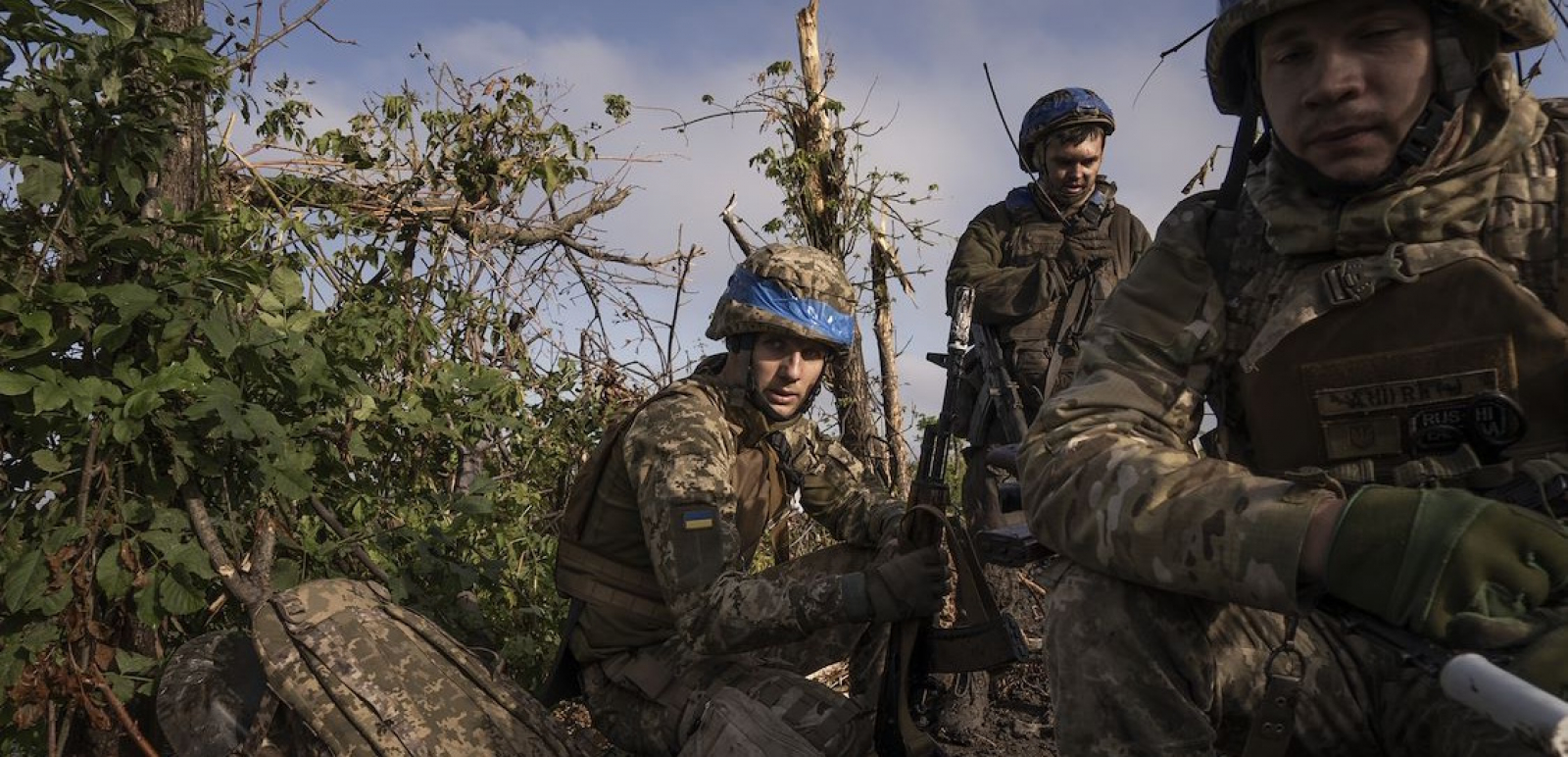
Every day we hear reports about the fighting in Ukraine, but because there are few journalists on the front line, we have little idea of what is really happening there. Ukrainian filmmaker and journalist Mstyslav Chernov, who previously showed what the war means for civilians in the Oscar-winning 20 Days in Mariupol, focuses in his new film on the battlefield, the soldiers and the combat operations. The result is this chilling documentary about the apocalyptic nature of war – a horrific world of minefields, burnt forests and the bodies of the fallen.
The Russian-occupied village of Andriivka in eastern Ukraine is of great strategic importance. That is why, in 2023, a Ukrainian platoon attempts to liberate the village. The road there, a narrow strip of wooded land, is only two kilometres long, but it will ultimately take the soldiers three months to cover those 2,000 metres, paid for with blood.
Please note: this film contains raw and shocking images of war violence.
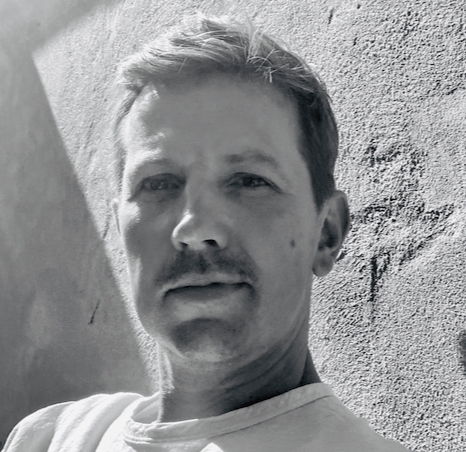
Klaas de Zwaan is a university lecturer at the Faculty of Social Sciences and Humanities, Arts and Culture.